
Foodie Tour of Italy: The Ultimate Guide to an Authentic Culinary Journey
If you love food and wine, a foodie tour to Italy is a must. Italy is known around the world for its millennia-old history and its unique “la dolce vita” lifestyle. Visiting Italy isn’t just about dining at fine restaurants. Rather, it is an incredible cultural experience that opens your eyes to a lifestyle based on daily simple pleasures: from pasta to red wine.
A culinary journey through Italy is not just about eating authentic pizza and pasta. Instead, it is a cultural experience that allows you to immerse yourself in a lifestyle that is unique in the world. Food and wine are intertwined with family traditions that have endured for centuries and have made Italy the most envied country in the world.
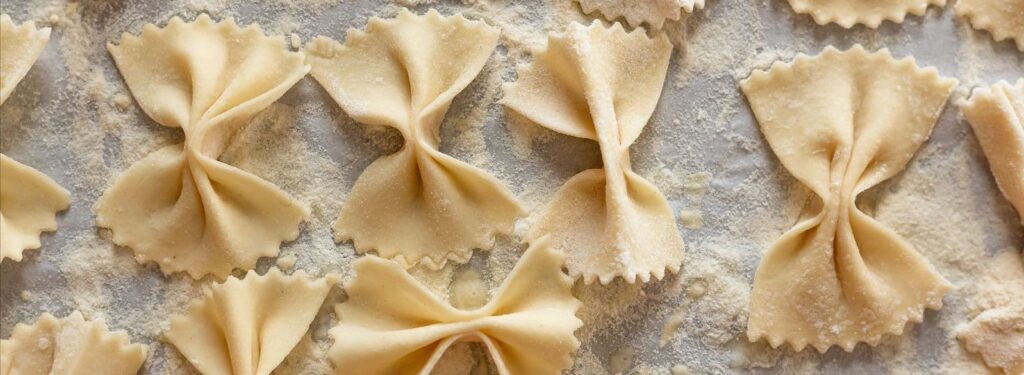
Food and wine are the keys to understanding Italian culture.
Sitting down to a meal is not just about enjoying good food and wine. At every gathering there is an Italian story to be heard, one that involves cultivating the land, fishing in the Mediterranean, raising animals the farmer calls by name, and tasting seasonal produce the types of which change throughout the year depending on the climate.
To begin your culinary journey in Italy, remember that it starts with the incredible diversity of the land, which produces food and wine that vary greatly from north to south.
Food and wine are a celebration of everything Italy has to offer: a mild climate, fertile soil, geographical diversity, the good fortune of being surrounded by the sea, a slow-paced way of life that respects the cycles of nature, and a deep respect for the traditions of the past.
Italian culinary traditions vary across 20 different regions. High-quality local products and distinctive wines pairing with meat and fish make the Italian peninsula a paradise for foodies. If you’re thinking about taking a trip to Italy soon, read what Gioia wrote about cooking classes in Italy first.

Enjoy Italian home cooking
For nearly a decade, Accademia di Cucina Italiana has been dedicated to sharing, in English, what Italy has to offer food and wine lovers. Gioia Tiozzo, the founder, with 22 years of experience in the psychology of well-being, has made this mission her life’s work. All with an easy to understand approach for those seeking a compass to navigate the complexities of Italian culture.
At the Accademia di Cucina Italiana, you won’t find the typical tourist information for a foodie tour of Italy, but rather the tools to organize an authentic journey of pleasure through the flavors of Italy. Gioia Tiozzo was born in Venice and has spent her entire life in Italy. No one is better suited than she is to help you understand the nuances of Italian food and wine.

What defines an authentic Italian Foodie Tour?
A genuine tour is built on a few non-negotiable principles: relying on a local expert to share their knowledge with you, supporting the local economy by choosing locally made products, soaking up customs and ways of life to take home with you, not limiting yourself to iconic Italian products, and doing your research before you set off.
At the Accademia di Cucina Italiana, we don’t talk about mass tourism attractions or standardized packages. Instead, we focus on how to create an unforgettable experience in Italy for foodies interested in gaining new insights into Italian culinary traditions and their cultural aspects.
At Accademia di Cucina Italiana you’ll find a guide to local and seasonal ingredients, recipes passed down through generations, and hands-on cooking experiences. Forget about settling for a trendy restaurant or a shop that tries to attract American tourists. Let yourself be guided by an expert who has lived the authenticity of Venice every day since she was born.
A Culinary Map of Italy: from North to South
Italy is a very small country, but one with very different features from north to south. The country is characterized by a wide variety of landscapes ranging from a very long coastline bordered by not one but three seas (the Adriatic Sea, the Mediterranean Sea, and the Ligurian Sea), the flatlands of the Po Valley or “Pianura Padana”, enchanting hills, and stunning mountains.
The warm, shallow seas and high mountains create a highly varied climate ranging from extremely hot and dry summers in the South to short and very mild winters in the North.
This diversity of terrain and climate explains the incredible variety of products grown in Italy. Added to this are the unique characteristics of the 20 regions that make up the Italian territory. Each region has its own culinary traditions that depend on local ingredients, which are the result of a specific microclimate and a territory with unique characteristics.
As there are no vast areas available for cultivation, each region has had to invest all its resources in quality rather than quantity. The resulting limited availability of products does not allow for export, so each specific regional product can only be found within a particular area.
Let’s look at some examples of the incredible variety of Italian products.
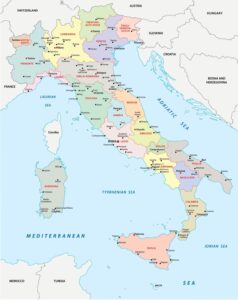
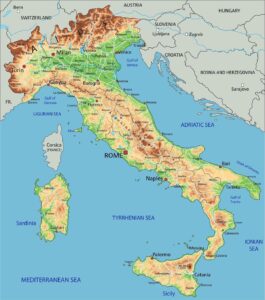
A culinary map of Italy: Northern Italy
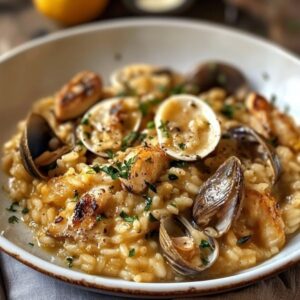
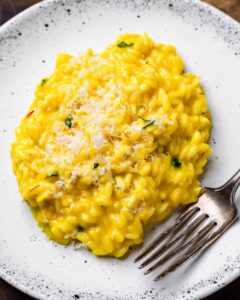
Northern Italy is crisscrossed by major rivers that provide an abundant supply of water. This has made it possible to grow rice. It is here that all the recipes for making risotto originated. “Risotto” refers to the specific Italian method of cooking rice. Arborio rice is usually used, but in the Veneto region you’ll find the specific “Vialone nano” variety, grown in Verona, a 1.5-hour train ride from Venice.
Risotto can be prepared with practically any ingredient. In Venice, you’ll find seafood risotto; in the mountainous areas, mushroom risotto. Risotto with red radicchio from Treviso or with pumpkin is also typical of the Veneto region. You can read further information about risotto on Venetian Cuisine, a complete guide to authentic flavors and dishes.
If you love fresh pasta, Emilia-Romagna is the region for you. Typical dishes include tagliatelle or lasagna with Bolognese sauce made from ground meat and tomato sauce. The rolling countryside of this region has made it possible to create the cheese that everyone envies, such as Parmigiano, which is always served with pasta.
Northern Italy is also known for the tradition of enjoying an aperitif before dinner—a glass of wine accompanied by “cicchetti” (appetizers). Typical bars offer snacks made with bread and cold cuts, pieces of cheese, or fried meatballs.
The pride of Veneto is tiramisu. Created in Treviso, tiramisu is the world’s most famous Italian dessert made with coffee, mascarpone, and savoiardi biscuits.
For food lovers on a Foodie Tour of Italy, I recommend: fresh pasta with Bolognese sauce (tagliatelle con ragù Bolognese), asparagus risotto, (risotto di asparagi) tiramisù, Asiago cheese, pesto, and fried fish with polenta.
Wine to try: Soave, Prosecco, Franciacorta, Valpollicella, Barolo.
A culinary map of Italy: Central Italy
The landscape of Central Italy is predominantly hilly, dotted with small, isolated villages. Typical of this part of Italy is the creation of dishes using simple ingredients, yet with a rich flavor that makes everyone happy.
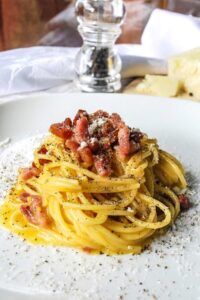
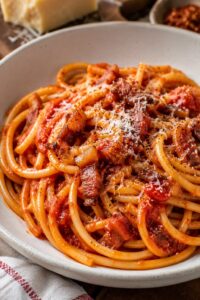
Central Italy is a paradise for those who love stew meat dishes and sausages. The Lazio region, with its capital Rome, is the birthplace of the iconic Italian dishes pasta “carbonara” (made with eggs and guanciale) and pasta “amatriciana” (made with tomatoes and guanciale) dishes originate from this area.
For foodies, I suggest trying: fettuccine with wild boar (fettuccine con il cinghiale), salami flavoured with fennel seeds ( inocchiona), cow’s stomach sandwich ( lampredotto), spaghetti with pecorino and Parmigiano sauce (spaghetti cacio e pepe), deep-fried artichokes (carciofi alla giudia), and supplì (deep-fried rice with meat balls).
Red wine reigns supreme in Italy’s Central regions, such as Sangiovese and Sassicaia. These primarily dry wines pair perfectly with wild boar or fiorentina steak. Wine to try: Brunello di Montalcino, Chianti Classico, Castelli Romani Rosso, Frascati, Lambrusco.

A culinary map of Italy: Southern Italy
The warm southern sun ensures the best tomatoes in Italy and incredibly sweet and plum fruit. The volcanoes have made the soil fertile, and crops grow easily.
The classic Italian dishes known throughout the world originated in the regions of Southern Italy. Some examples include: crusty bread, pizza, mozzarella, extra virgin olive oil, spicy salami, octopus, fresh ricotta cheese, limoncello, pistacchio gelato, and cannoli.
Cooking is considered a very serious job. The recipes are all incredibly elaborate, featuring an abundance of ingredients, long cooking times, and plenty of spices.
Even simple vegetables are prepared using time-consuming and elaborate recipes. Fruit is also cooked to make puddings, syrups, jams and preserves made with lemon peel.
Fried food is typical of southern Italy. There’s a reason why “arancini” (fried rice balls) were invented in Sicily. If you love hearty portions, this is the place for you.
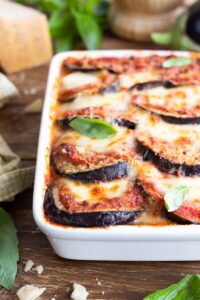
For food lovers, I recommend: pasta with fried eggplant and ricotta cheese (pasta alla norma), fish lasagne (lasagne di pesce), orecchiette with turnip greens (orecchiette con cime di rapa), eggplant Sicilian style (“caponata di melanzane”), dessert made with almond paste (“cassata siciliana”).
My wine recommendations include: Negroamaro, Primitivo, Primitivo di Manduria, Nero d’Avola, Grillo, Marsala.
Beyond Restaurants: Essential Foodie tour of Italy
Below is a list of tips for anyone looking to enjoy an authentic culinary experience in Italy, no matter which region in which you find yourself.
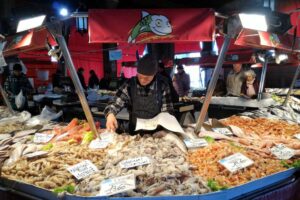
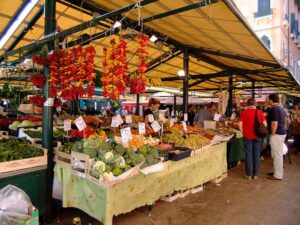
– Visit the local daily market. In every major Italian city or small town, street vendors set up the market in the main square (Piazza delle Erbe) early in the morning. Plan a visit to browse the small stalls selling only local and seasonal products. You’ll find a wide selection of fruits and vegetables, cheeses, and, in cities near the coast, even fresh seafood.
Prices are usually lower than those found in supermarkets or large retail chains, and the quality of the products is very high. The prices listed are always per kilogram.
Visiting the local market is a great way to understand which local ingredients form the base of traditional cuisine. With this information, you can then check the menu of a restaurant you are considering to see if the dishes on offer match the local, seasonal products you saw at the market.
In the area where the daily market is held, visit the other shops where locals go to do their shopping. In every city you visit in Italy, the locals know exactly where to find authentic products. These shops are usually located near the daily market. It’s easy to tell whether the shops are crowded with tourists (speaking foreign languages, carrying cameras, looking a bit lost) or with locals. Elderly people shopping at bakeries with shopping carts, mothers with children doing their grocery shopping, students buying a snack before heading to class. These are the people you should keep an eye out for to figure out how to avoid tourist traps.
– Take part in wine, cheese, or olive oil tastings. In Italy, it’s very easy to find farms and producers that organize tastings of their products. This is a common marketing strategy among small businesses that don’t have the budget to invest in advertising. These are typically small producers who stand out from large-scale retailers thanks to the quality of their traditional products. You’ll always find the owner happy to tell you how the olive oil, wine, or cheese is made and how these products are tied to traditions they’ve preserved over the decades, refining their production techniques along the way. That’s why Italians are so good at producing food in Italy—we have knowledge and techniques that have been tested, sometimes for centuries, before reaching perfection.
– Take a cooking class in an Italian city. Meeting a local chef and being hosted in their home is the best way to experience an authentic Italian culinary atmosphere. No matter your level of cooking experience, you’ll learn how easy it is to create delicious dishes using typical local Italian ingredients. If you have a favorite Italian dish, ask the chef to teach you how to make it.
Your Unforgettable Experience: A Cooking Class in Venice
If you love Italian food and wine and would like to learn how to cook, participating in a cooking class in Venice is the perfect experience for you. Gioia will be delighted to welcome you into her home, a typical Venetian apartment in the historic city center. Gioia will take you shopping at the Rialto Market, where you’ll choose traditional ingredients together and learn the cooking techniques of Italian cuisine. You’ll realize that cooking isn’t difficult when you have a chef entirely at your disposal. This culinary experience organized by the Accademia di Cucina Italiana goes beyond the traditional concept of tourism; it’s more about feeling like part of the city’s culture and gaining hands-on experience in the kitchen. Would you like to learn how to make seafood risotto, homemade pasta topped with fresh tomato sauce, and meatballs? Chef Gioia is here to guide you. If you’re looking to take a “foodie tour,” the cooking class in Venice could be a great way to sample typical local products (purple artichokes from Sant’Erasmo, fish from the lagoon, and seasonal vegetables typical of Venice) paired with local cheeses such as Asiago, Piave, and “Ubriaco” cheese.
Can’t Travel to Italy? Bring The Foodie Tour to Your Kitchen
If you love Italian food but can’t fly to Italy at the moment, Accademia di Cucina Italiana offers you the chance to learn about Italian culinary traditions through online courses. Imagine watching pre-recorded cooking videos from the comfort of your own home, in which chef Gioia Tiozzo explains, step by step, the techniques for cooking iconic Italian recipes. The video courses are designed for people of all cooking levels, and the basic idea is to teach cooking tips that can be used on a daily basis. By taking out a subscription, you’ll be able to prepare recipes or organize an Italian Foodie Tour right from the comfort of your own home.
BASIC ONLINE COURSES FOR THE HOME COOK with Gioia Tiozzo, Italian cooking instructor
“Authentic Italian Dishes”, “Risotto and Pasta”, “Italian Fish Recipes”, “Italian Meat Recipes”
Frequently asked questions about foodie tour of italy
Are food tours worth in Italy?
In any Italian city, a food tour offers the chance to take part in a guided tasting of traditional Italian specialities, accompanied by a local expert who can select the best authentic experiences. To gain a deeper understanding of culinary traditions and recipes, it’s best to choose an Italian cooking course. Accademia di Cucina Italiana offers the opportunity to sign up for Italian cooking courses. You’ll learn a skill that will last a lifetime. Italian cuisine will hold no more secrets from you.
What are the best Food Tours in Italy?
Always opt for customizable tours led by local guides. Avoid those organized by tour operators for large groups if you prefer a more distinctive experience. If you’re a fan of Italian food, consider booking a private cooking class. In Venice, Accademia offers exclusive cooking classes in a traditional Venetian apartment. It’s a great way to sample local food and recipes and learn about local traditions at your own pace.
Where should foodies go in Italy?
Every region in Italy has something to offer food lovers, but Venice guarantees an extraordinary culinary experience. Cicchetti, risotto and local fish are absolute must-tries. For foodies, Venice is not only the ideal destination, but also an opportunity to take part in a cooking course available at Accademia di Cucina Italiana. You’ll learn to cook the dishes that define Venice’s singular culinary cultural identity.
Which tour company is the best for Italy?
I would advise you to steer clear of tour companies and opt instead for bespoke experiences that offer real value for money. Accademia di Cucina Italiana, founded by the expert Gioia Tiozzo, is not a tour company, but a proper cooking school. It offers the chance to learn authentic Italian cuisine through courses in Venice or online lessons. The experience it provides is far superior to that of any tour operator or impersonal guided tour.
At home or in Venice: Choose Your Culinary Experience
Ready to transform your trip to Italy into a truly unforgettable culinary adventure? Join Gioia in Venice for a hands-on cooking class you will never forget.
Click here to view the class schedule and book your spot.

Start your Italian foodie journey from home today. Explore our online cooking academy and learn to create authentic dishes with our expert-led video courses.
Click here to browse all online courses and bring the taste of Italy to your kitchen.